

Wandering and Sleeplessness: Performance as Research
R. Jarman
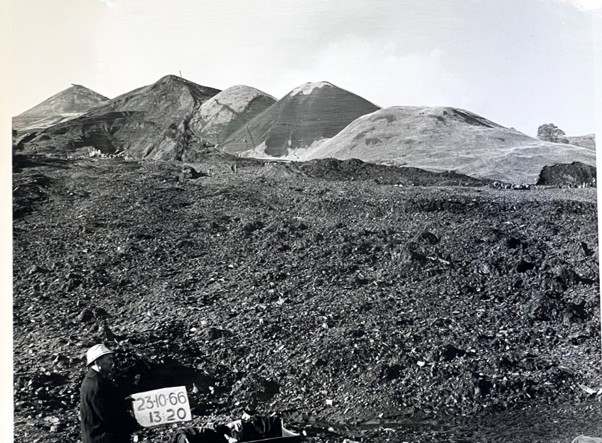
Disaster and The ArtsOral testimony is used as a tool for gaining insight about traumatic events from the perspective of survivors. But research also acknowledges that narrative accounts do not necessarily move us closer to that trauma.
This article asks what might be learnt from performance with Lucho Ramírez, an actor from Peru who lost his home as a boy in an earthquake. Working with Lucho as what I call a “privileged spectator”, I reflect on his recent reproduction of Wandering and Sleeplessness, a play first staged in 1981, to show how it expands on the hesitations that punctuate testimonials of the disaster.
Akin to affect theatre, the play conjures memories and nightmares relating to the event as theatrical images. These images, in turn, create affects that transport the spectator to an ephemeral Andean underworld that is inhabited by more-than-human beings. This world — called Ukhu Pacha — might also be understood as what Taussig (1987) calls a “space of death”; it is an otherworldly realm that nurtures transformation. Thus, I consider how actor and spectator are changed by Wandering and Sleeplessness, and what this reveals about the afterlives of disaster.
We’re telling old stories with new voices